The short answer
In Vancouver, porcelain veneers are commonly quoted anywhere from about $1,300 to $3,000 per tooth. The spread is real, and it reflects genuinely different work being sold under the same name.
At Transcend:
- Porcelain veneers: $2,500 to $3,000 per tooth
- Composite veneers: $700 to $1,200 per tooth
The rest of this guide explains where the difference in price comes from: who designs the smile, who crafts the porcelain, and how the case is finished.
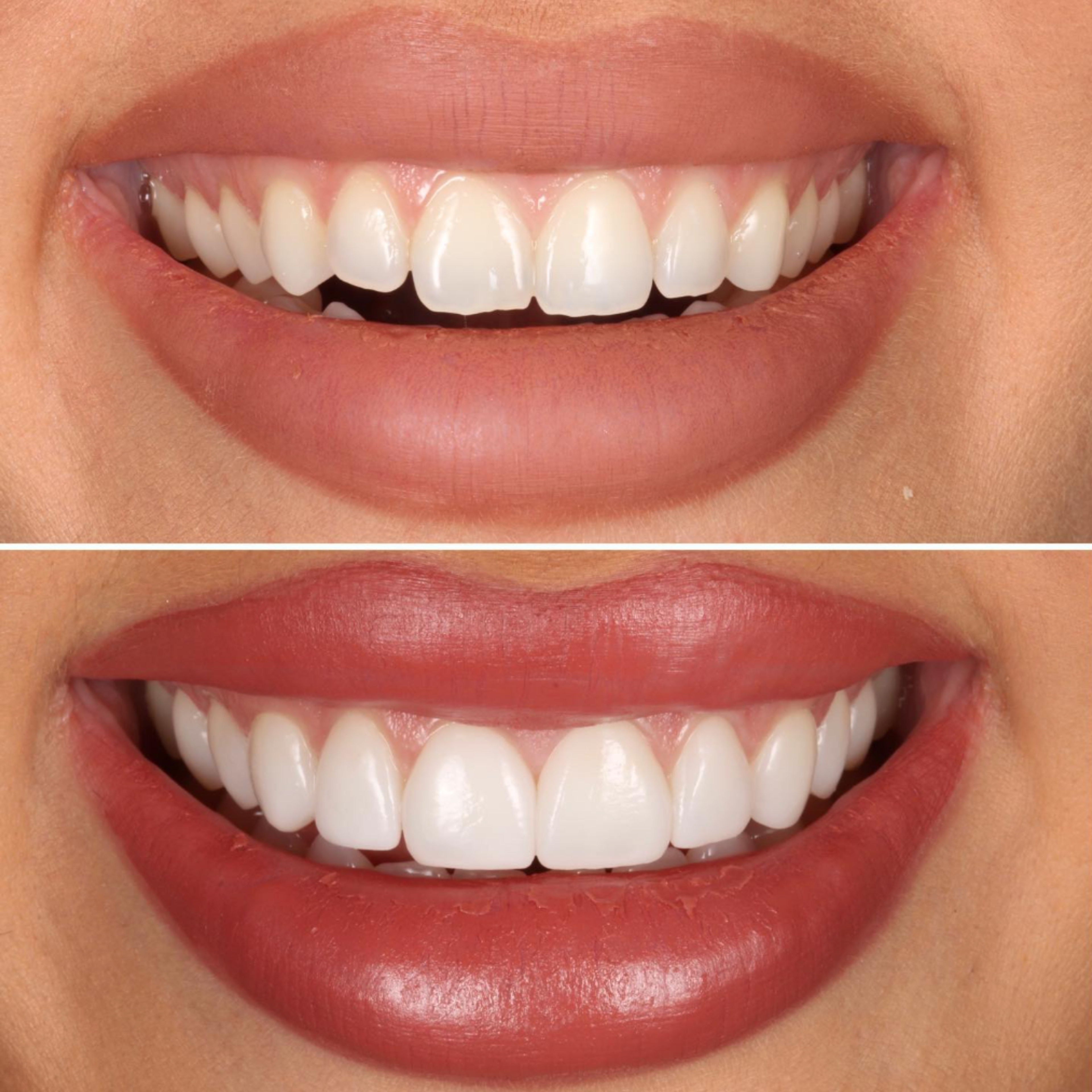
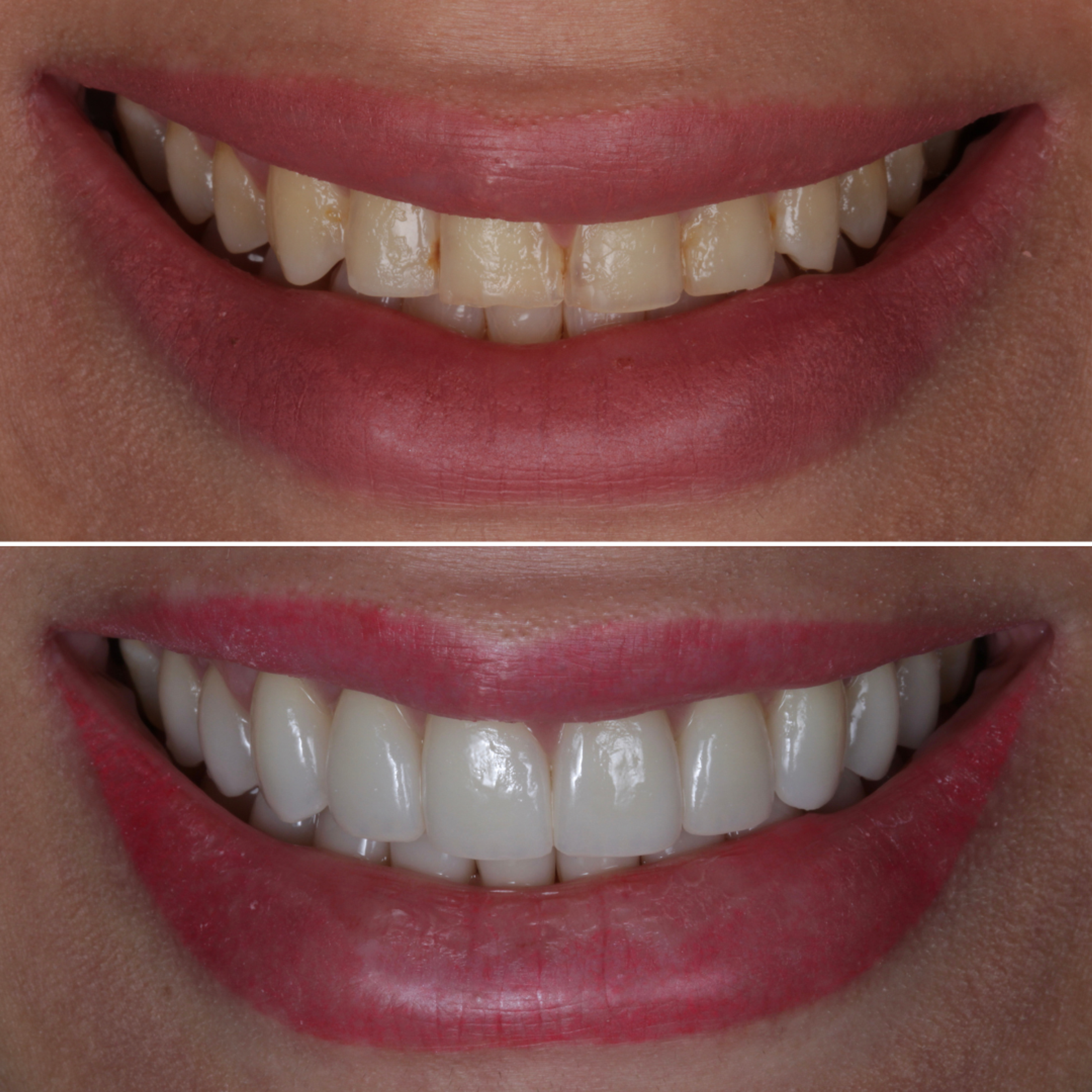
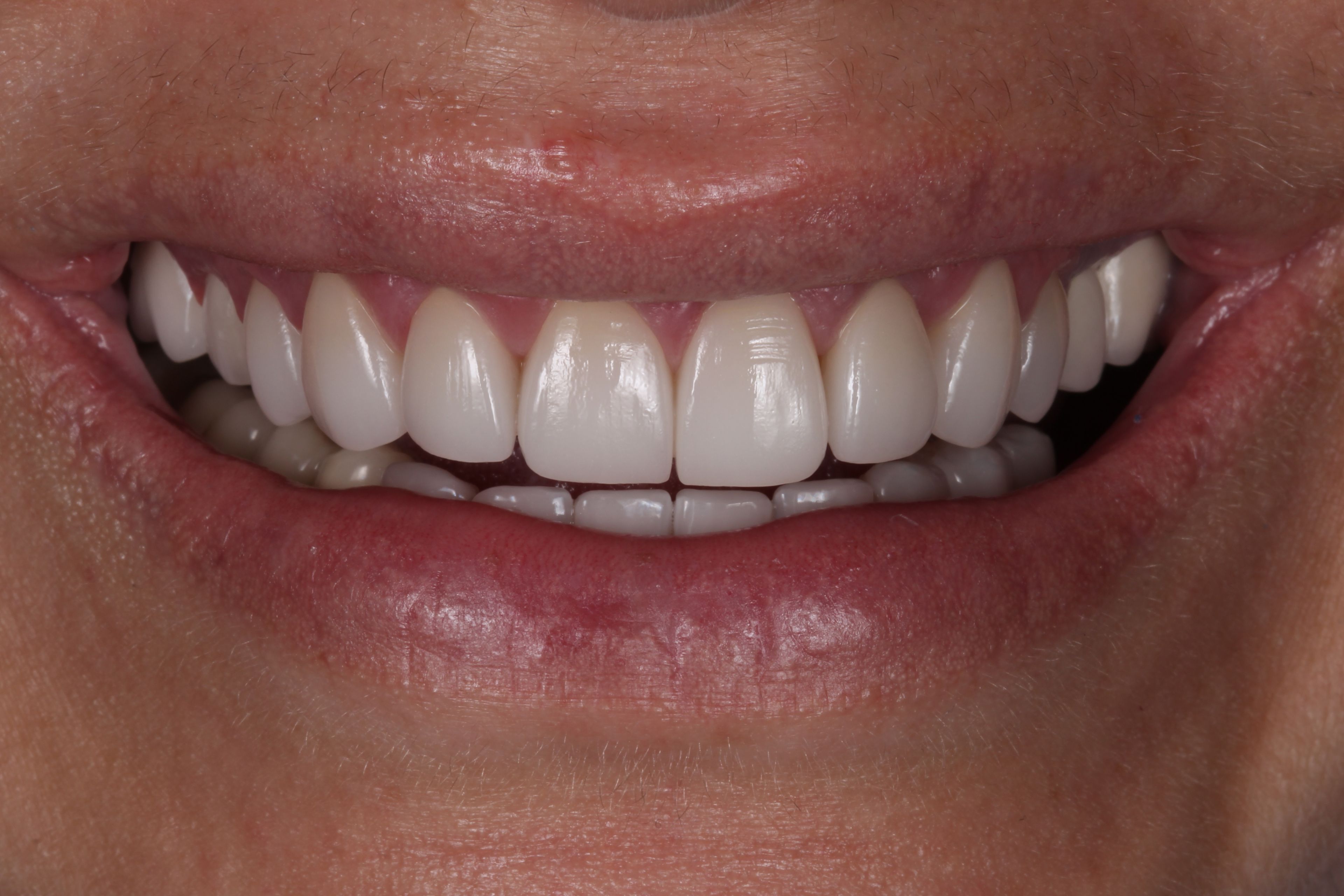
Designed to look natural
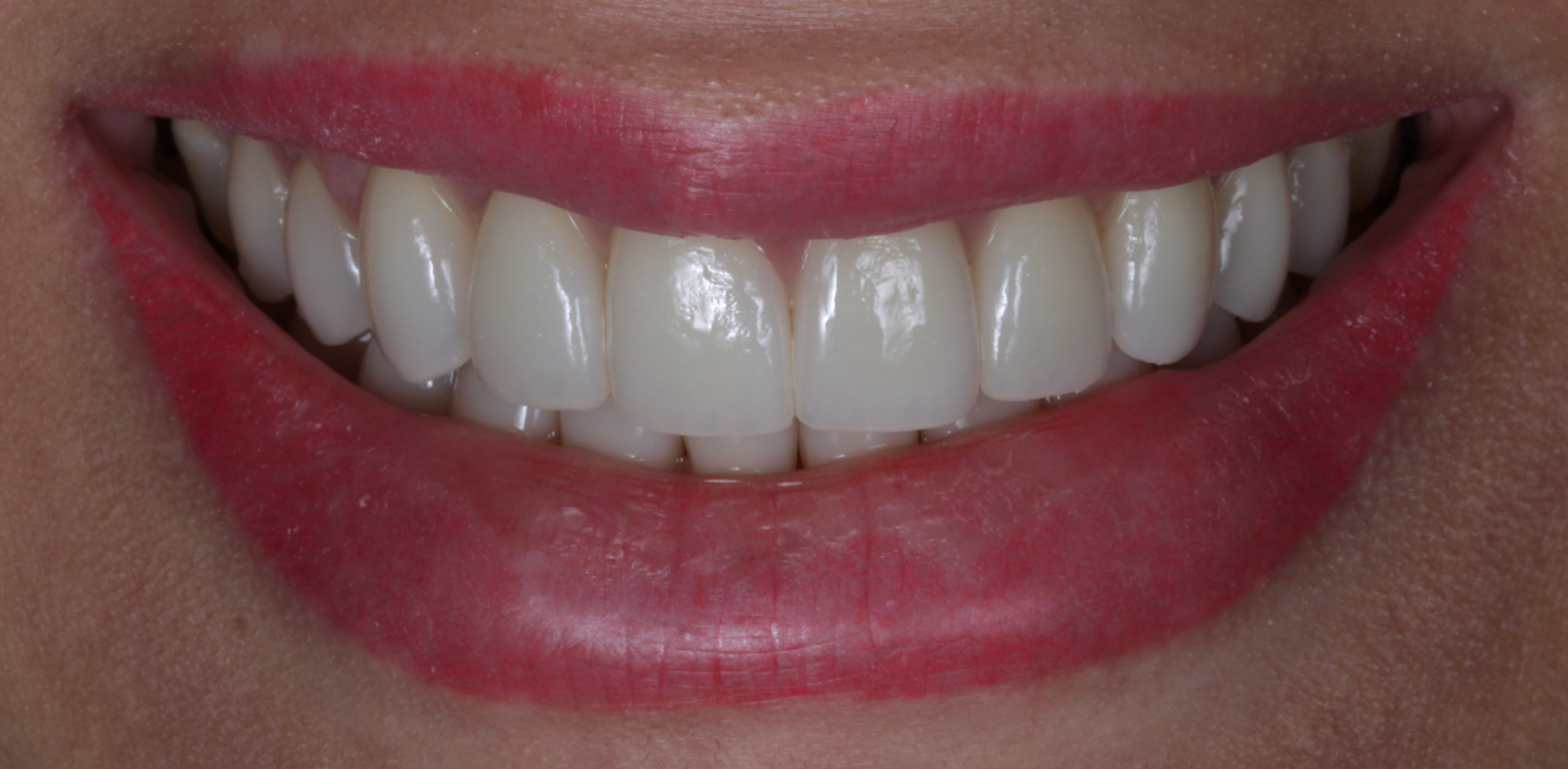
Designed to be unmistakably bright
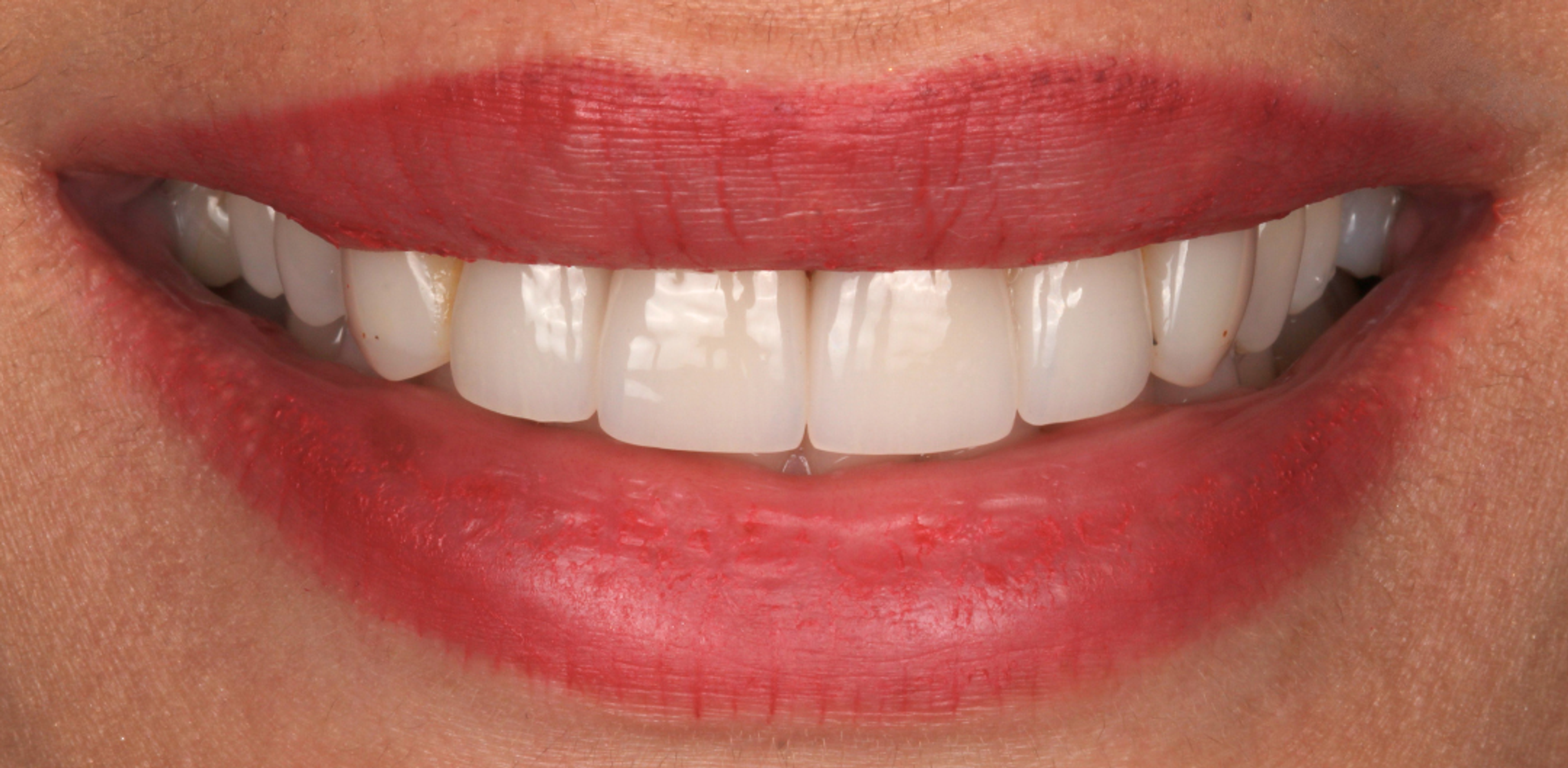
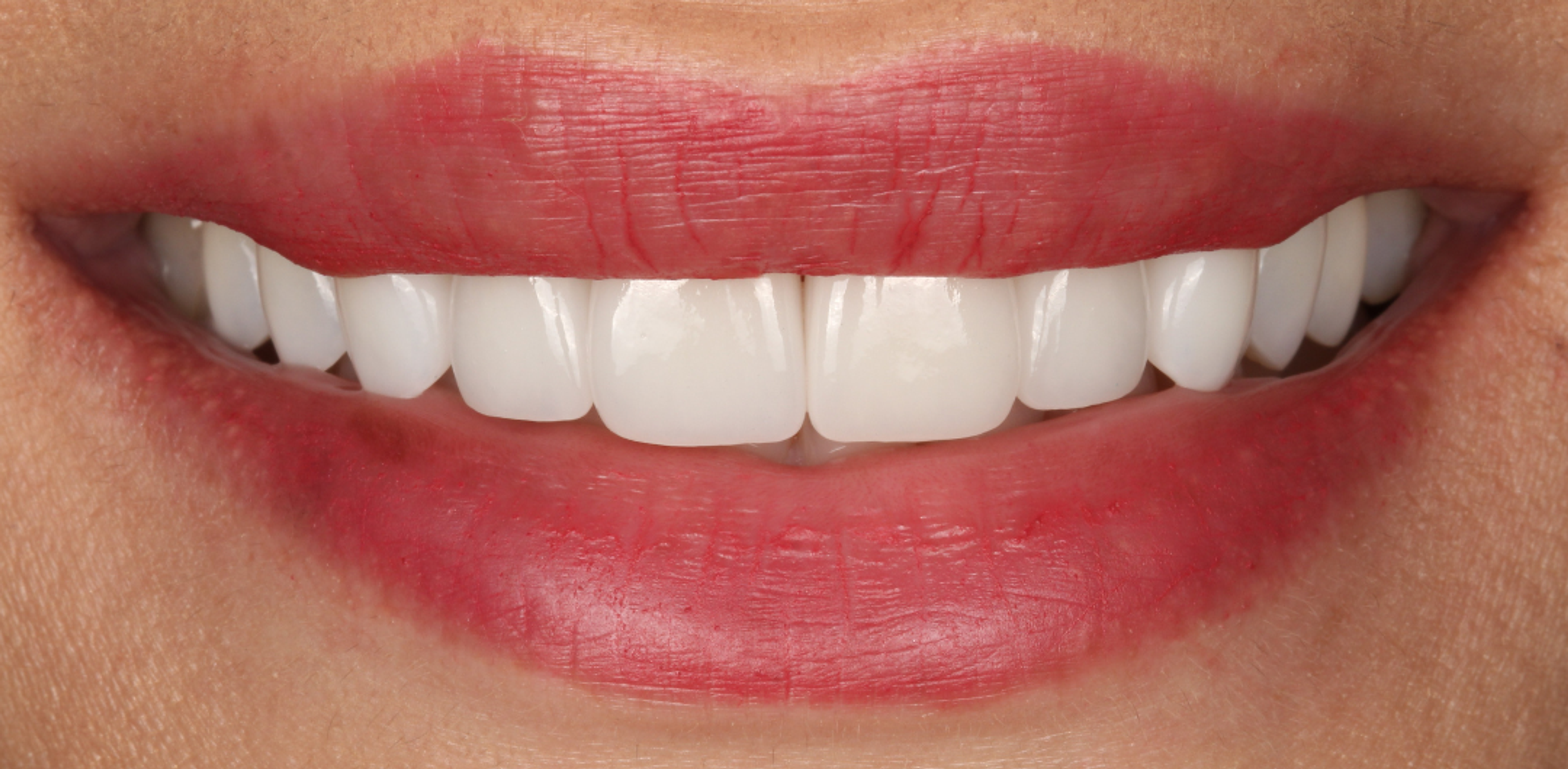
What separates one veneer from another
When two clinics quote $1,400 and $2,800 for a porcelain veneer, they are usually describing different work. A few questions separate them.
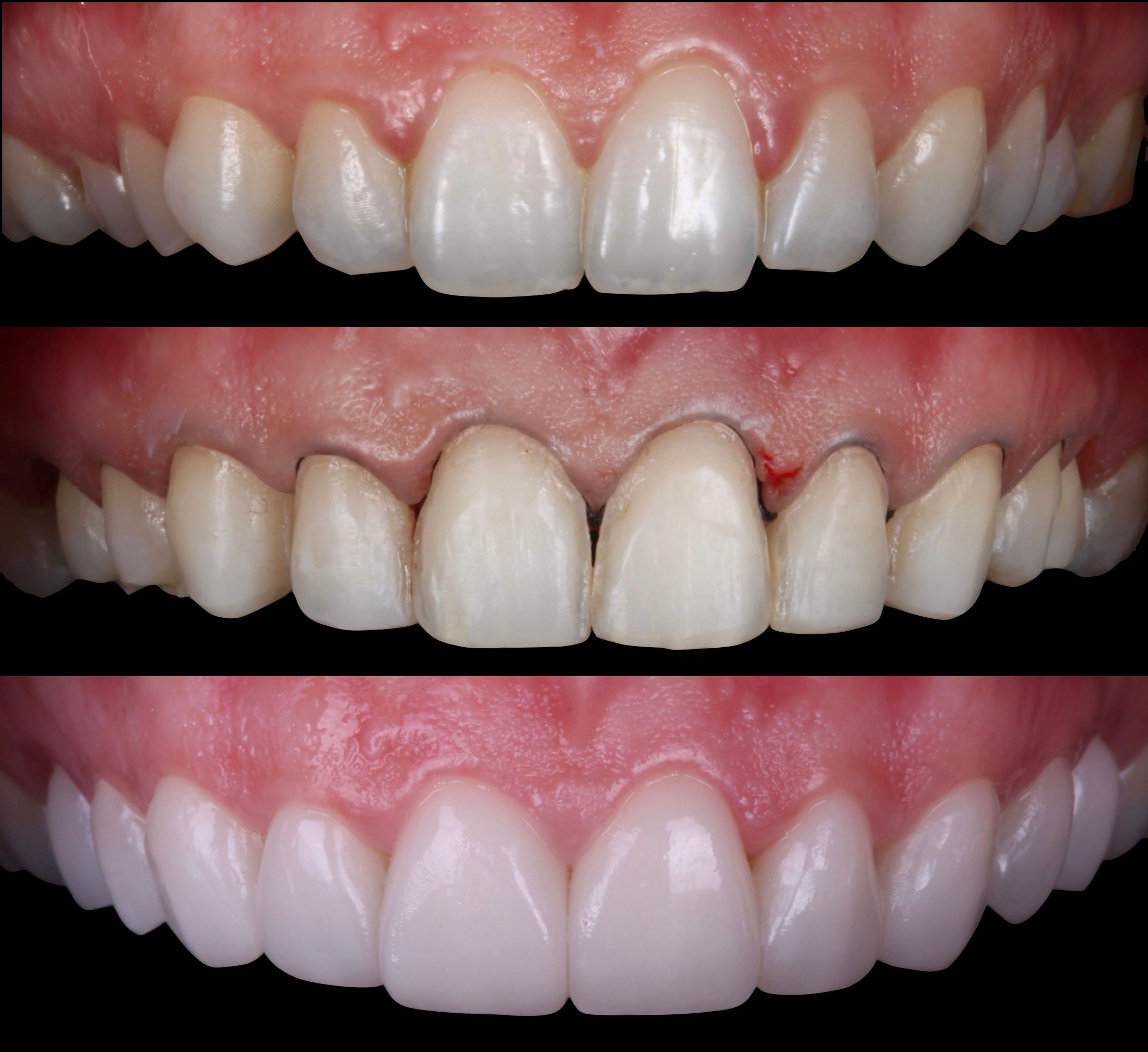
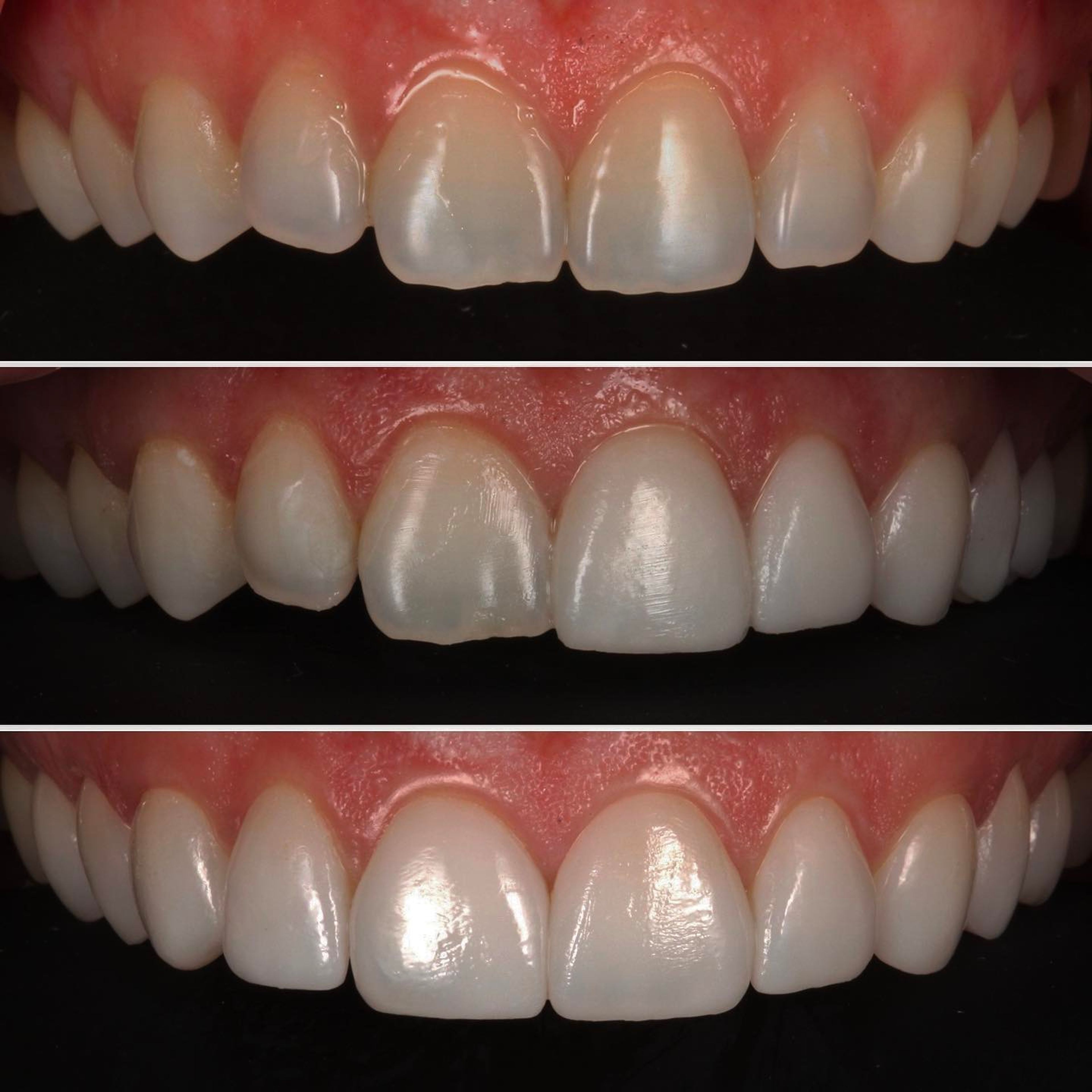
Who designs the smile. A veneer's shape, length, and proportion are decisions, and they are what you see every time you look in the mirror. At most practices, the dentist is far less involved in those decisions than patients assume: the case is sent out to a laboratory, and what comes back is largely what gets bonded. At Transcend, Dr. Edher has created a workflow over a decade of practice in which he or one of our prosthodontists — specialists in restorative dentistry — designs your smile in collaboration with our own in-house lab's designers and ceramists, case by case, for your face.
Who makes the veneer. Most veneers, all over the world, are made in high-volume laboratories from a shade code and a scan. The result can be clinically sound and still look like it belongs in someone else's mouth. Every Transcend veneer is made in our own lab, under the same eye that designed it — porcelain shaped for your face, your features, your smile.
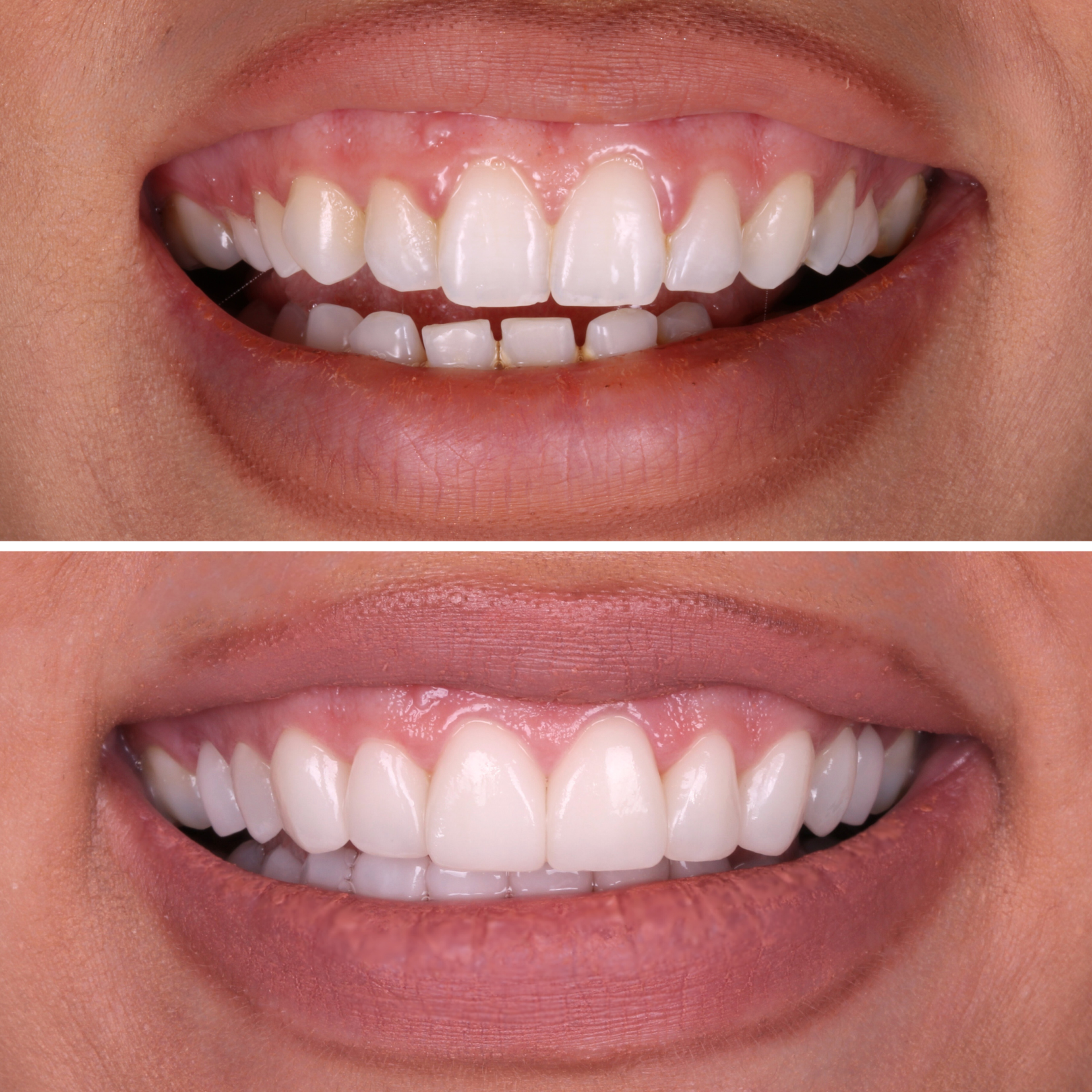
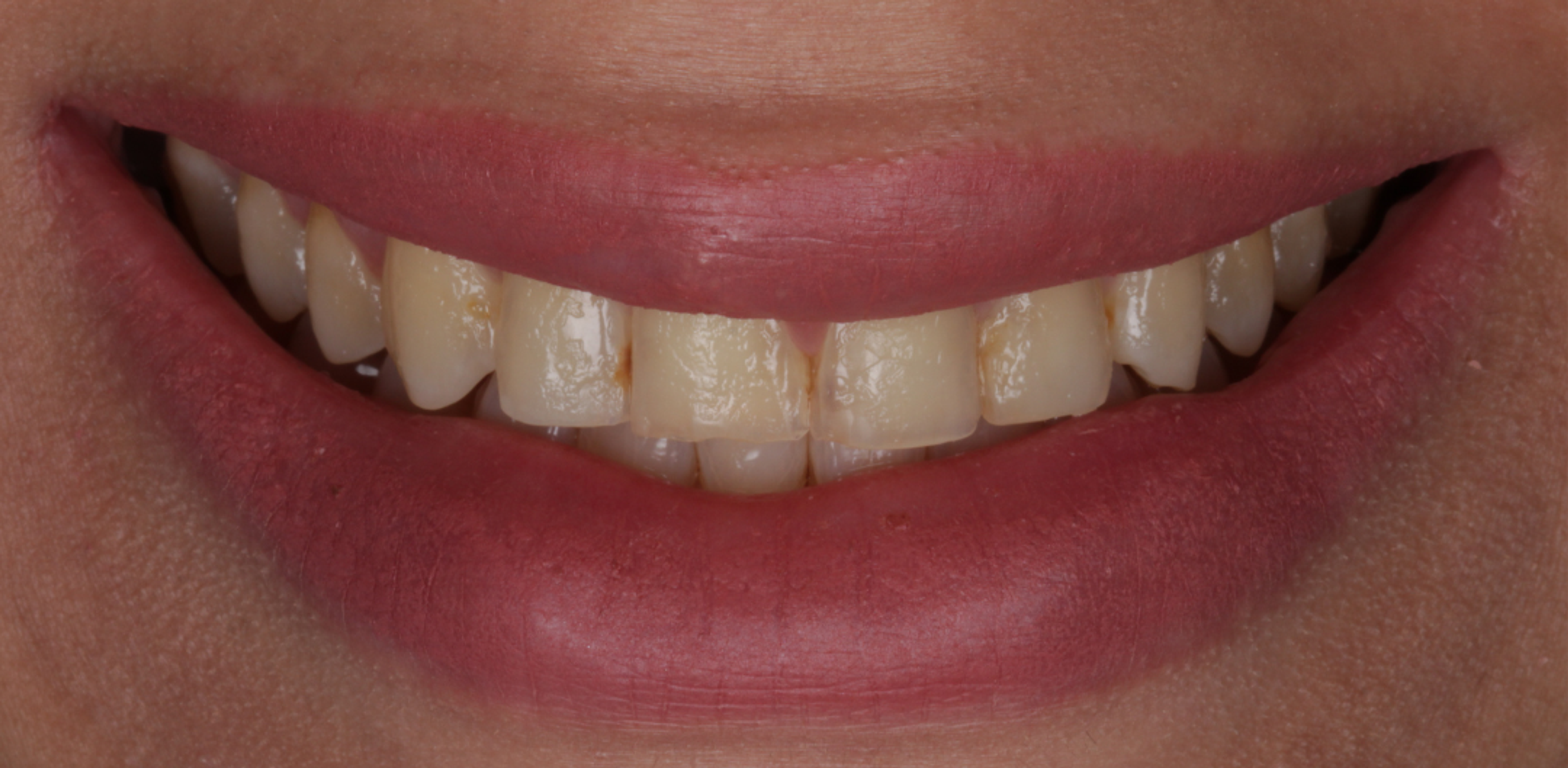
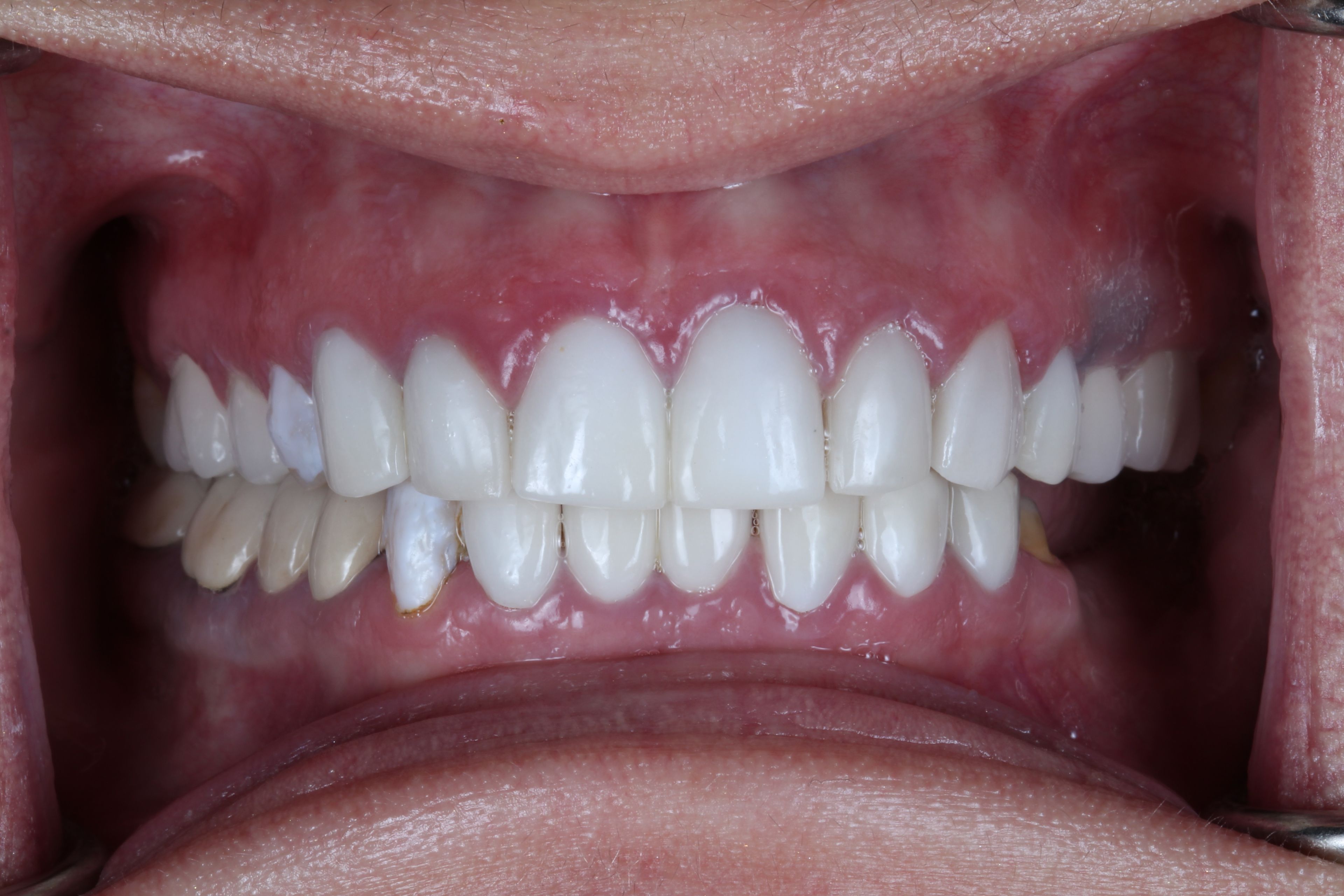
The artistic vision. Beauty is subjective. Every patient means something different by a beautiful smile, and getting it right for one particular face is the hardest part of this work — there is a reason so many veneers end up looking like Chiclets, and even patients who want very white teeth almost never want piano keys. Creating beauty in a way that accomplishes your aesthetic goals, whether completely natural or brilliantly white, is an art as much as it is a science, and it is what we have perfected through Dr. Edher's vision and the workflows built around it. When it is done well, nobody asks whether you have veneers; they simply cannot stop admiring your smile. And if you do tell them, they quietly wonder why theirs don't look like that.
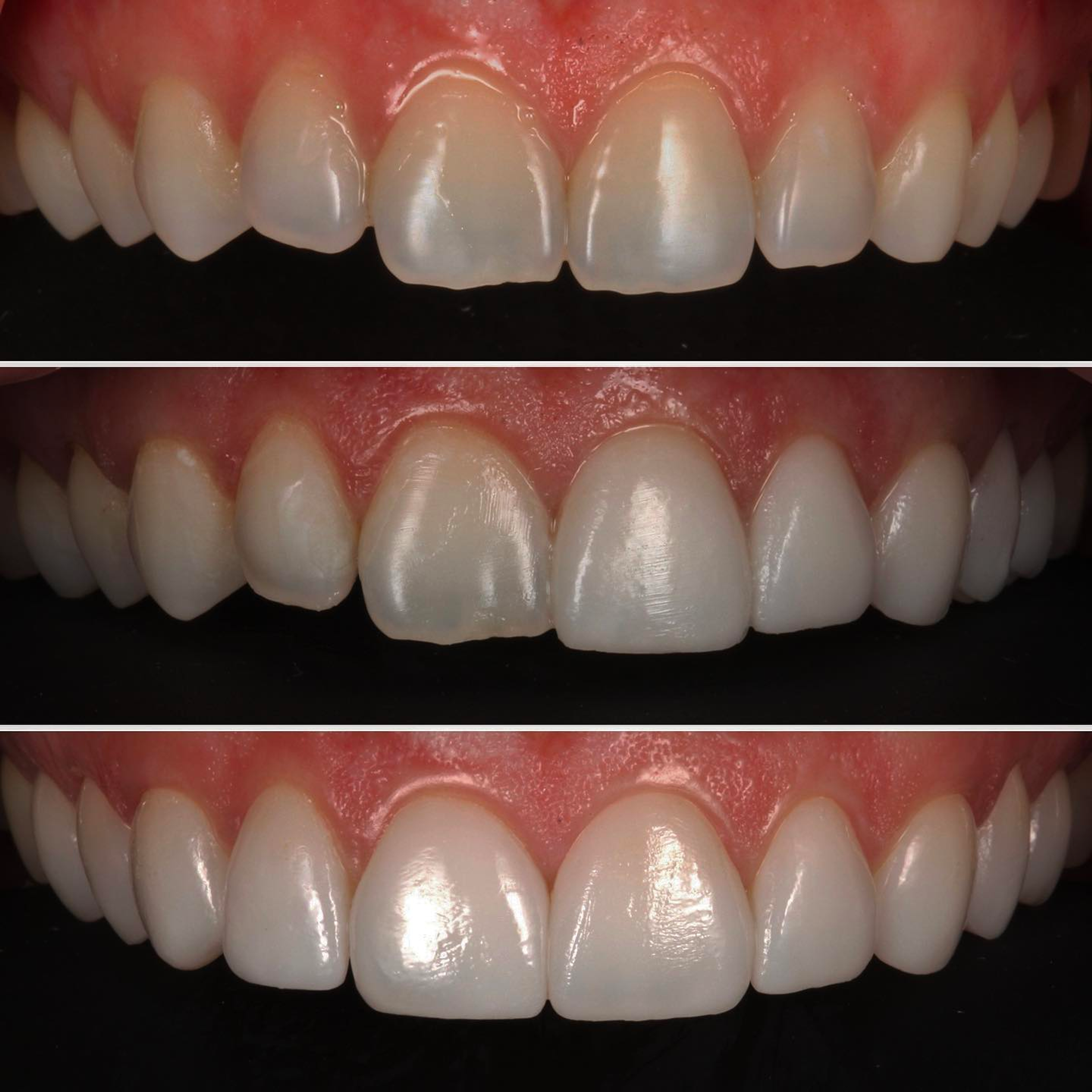
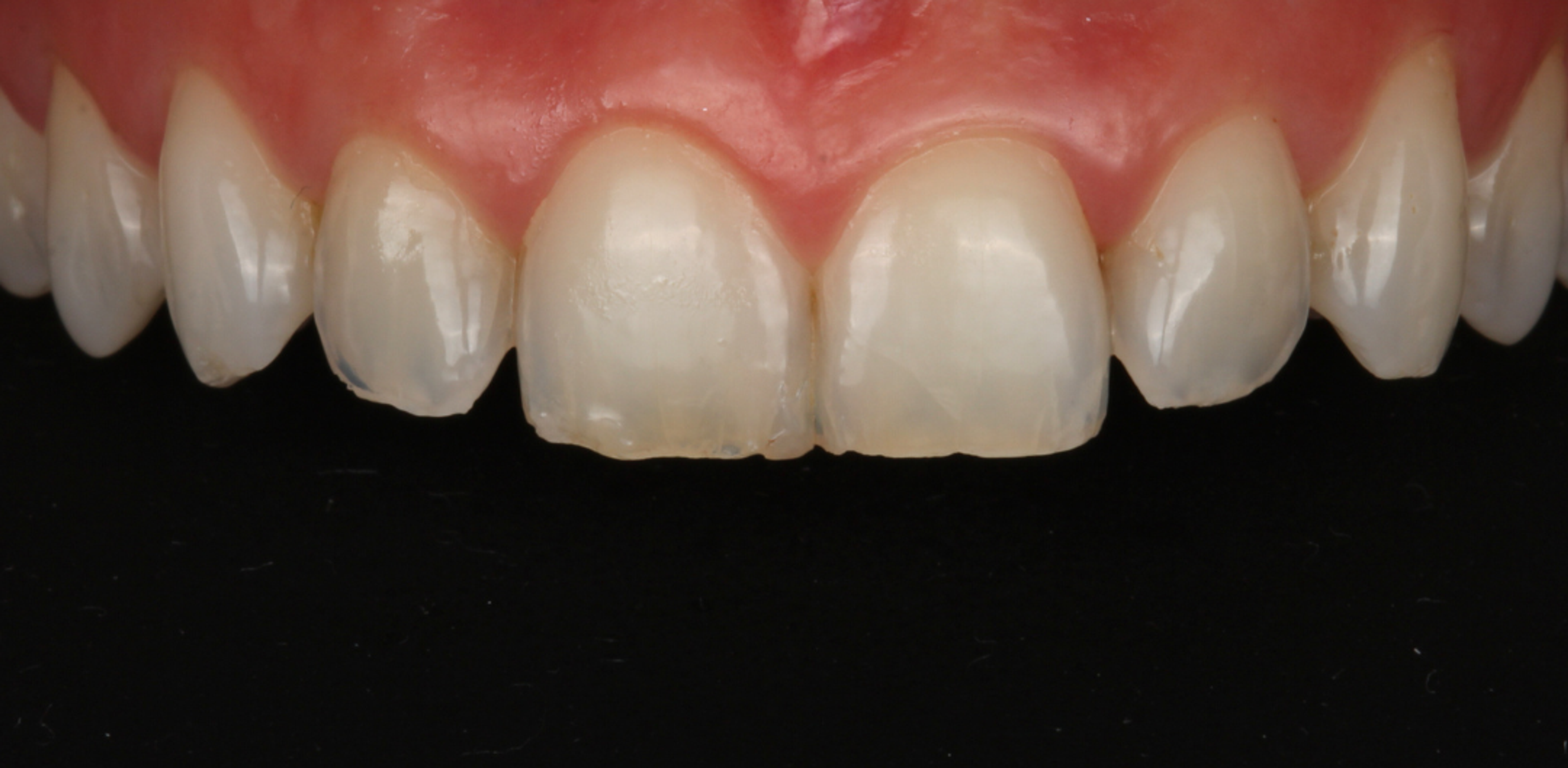
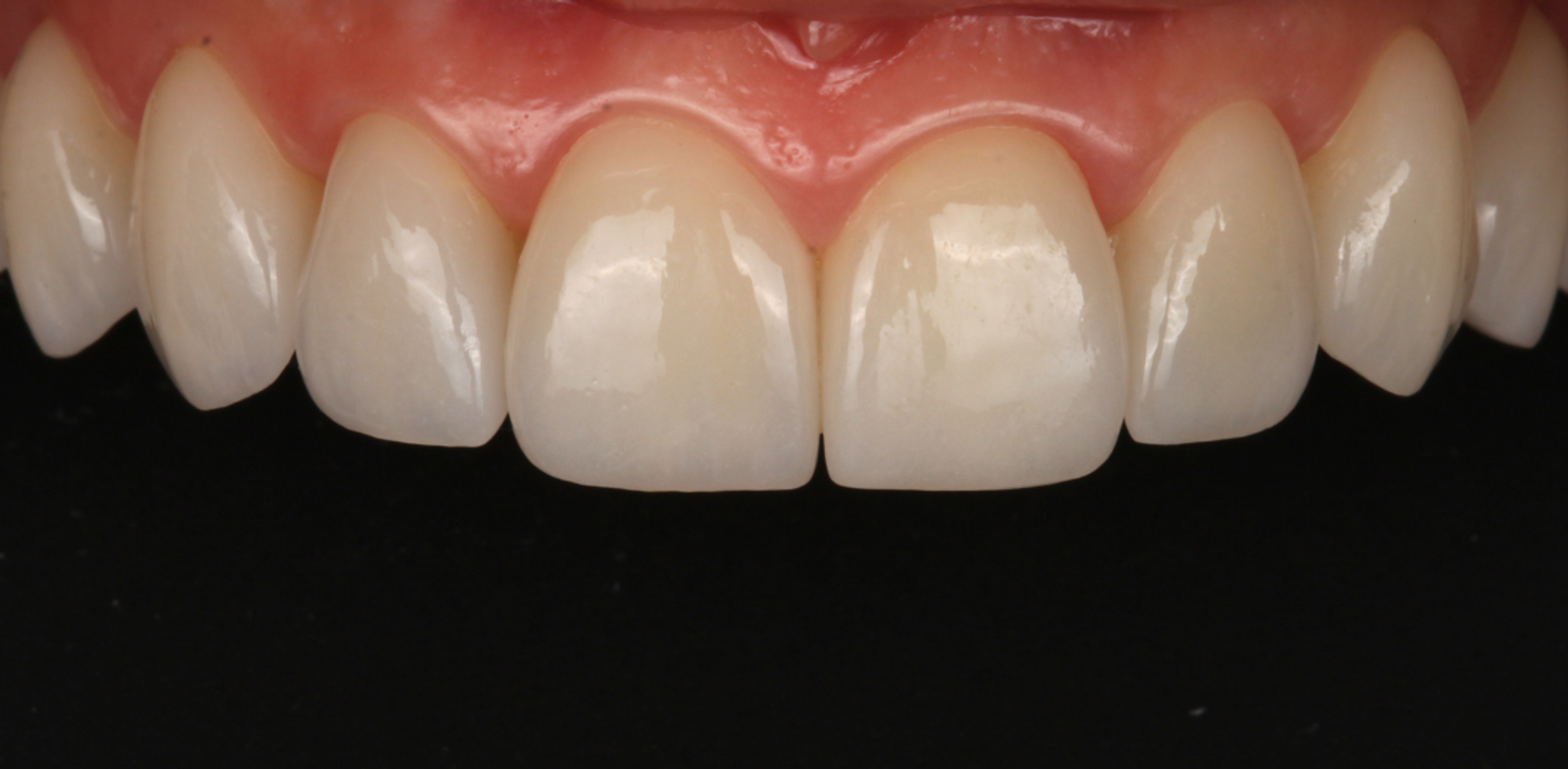
How the case is finished. The difference between a good veneer and a beautiful one is decided in details most people never hear about: how the porcelain meets the gum, how light passes through the edge of the tooth, whether the surface texture matches your neighbouring teeth or reads as a flat white block. Getting those details right takes more design time, more try-in time, and ceramists who are given the time to do it.
The detail work
What happens afterward. A fee also carries a commitment. If something needs attention in a year, a practice that planned and made your veneers under one roof can see you, understand exactly what was done, and resolve it. That accountability is part of what you are paying for.
How we work
Dr. Edher is a board-certified specialist in prosthodontics. Dentists across Canada learn how to do porcelain veneers from him, and he is known as the dentist that dentists see for their own smile makeovers. Every Transcend veneer comes out of the workflow he has refined over a decade of smile makeovers: the design shaped with his Transcend Lab designers and ceramists, temporaries that let you preview the shape and proportion in your own mouth, and a try-in before anything is final.
People travel to Transcend for this work, from across British Columbia, from other provinces, and from abroad. Not because veneers are unavailable where they live, but because this level of it is rare.
The fee reflects what each case is given: specialist planning, porcelain crafted in our own lab, and the time the work takes to finish properly. The people who want that level of finish tend to find their way here.
The ten-year view
There is also an arithmetic argument, and it matters even if aesthetics brought you here.
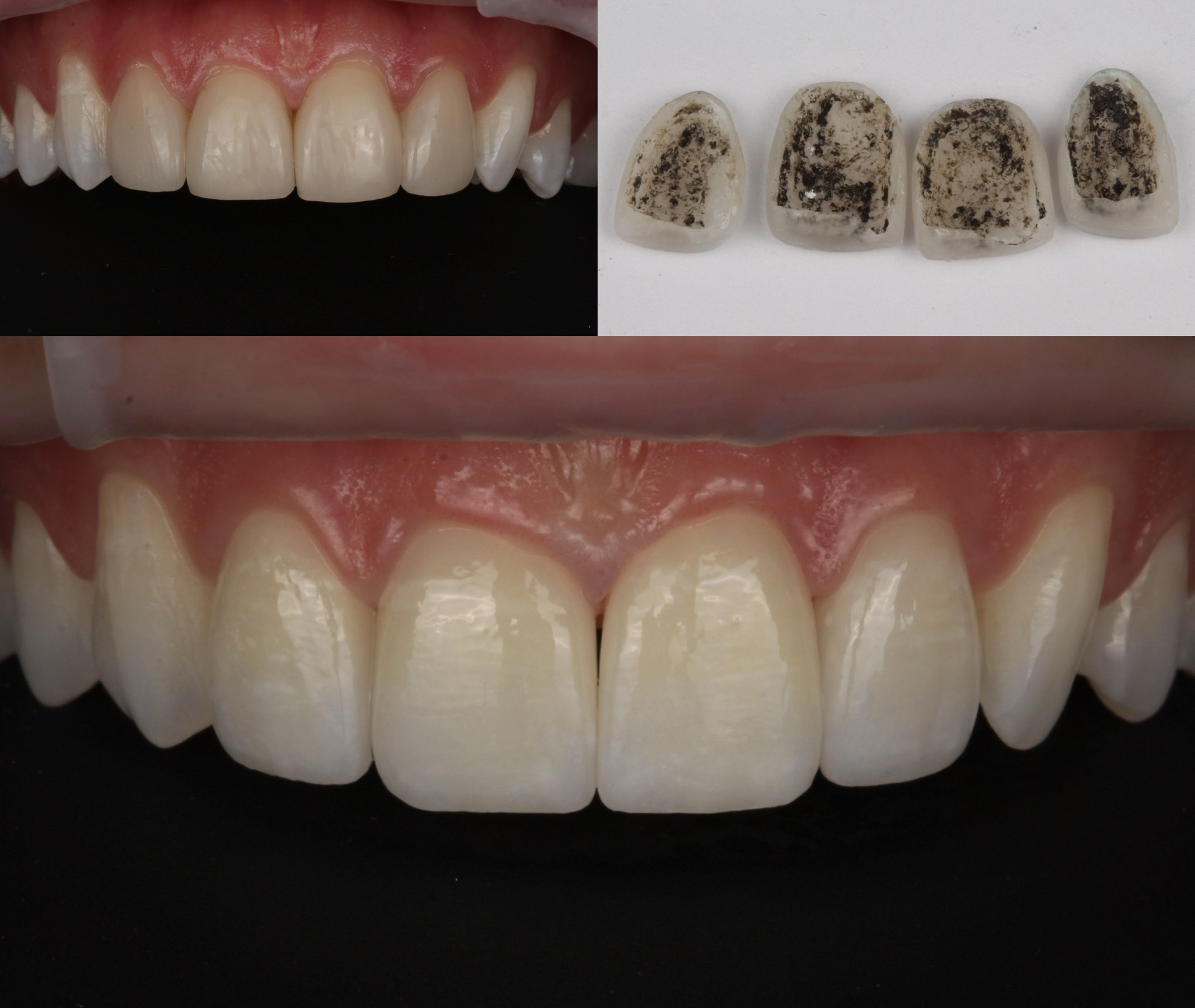
Well-planned, well-executed porcelain veneers last ten years or more. A veneer that fails early, whether from fit, gum response, or simply looking wrong enough to redo, does not cost its original price. It costs the original price, plus the replacement, plus another round of treatment for the tooth underneath. We regularly treat redo cases of work done elsewhere, and redoing dental work is consistently more involved than doing it once. We have written about what those cases look like in our guide to redoing dental work and in our piece on dental tourism.
Spread over the years they actually last, well-made veneers are usually the less expensive choice.
When veneers have to be done twice
Composite or porcelain
Composite veneers are the more affordable route, at $700 to $1,200 per tooth, and for the right case they are a genuinely good option: smaller corrections, younger patients, situations where flexibility matters. They are sculpted directly on the tooth in a single visit. They dull and stain sooner than porcelain, and they do not carry the same depth and light behaviour, which is why they cost less.
Porcelain is the material for a smile designed to stay beautiful: colour-stable, gum-friendly, and crafted with the translucency of natural enamel. Most smile makeovers at Transcend are porcelain for that reason.
We place both — composite most often for more localized enhancements and smaller fixes, porcelain for complete smile makeovers — and the consultation is where we tell you honestly which your case calls for.
Your estimate
The number itself depends mainly on two things: how many teeth are involved, and what your teeth and gums need before veneers can succeed. Some smiles need six veneers, some need ten; some need a gum contour or a bite adjustment first, and some need nothing at all.
At Transcend, the estimate you receive at your consultation includes everything: the smile design, the laboratory work, the temporaries, the try-in, the final bonding, and the follow-up visits. Our $2,500 to $3,000 per tooth already includes the laboratory fees.
Be careful when you read or receive an estimate: check that it includes the lab fees. An $1,800 veneer with a $700 laboratory fee added afterward is a $2,500 veneer. Wherever you go, make sure you have the full picture before committing.
Questions worth asking, wherever you go
If you are comparing estimates, ask each clinic the same questions.
About the design
- Who designs my smile — the dentist, or a laboratory I will never meet?
- Can I see their own cases — smiles designed natural, and smiles designed white?
- Will I preview the result in my own mouth before anything is final?
About the craft
- Where are the veneers made, and by whom?
- Will the people making them ever see my face?
About the treatment
- How much of my natural tooth will be prepared, and could my case be minimal-prep or no-prep?
- Who will I see if something needs attention in two years?
About the estimate
- Does it include the laboratory fees, the design, the temporaries, the try-in, and the follow-up — or will some of it be added later?
The answers will explain the difference in the estimates far better than the numbers alone.
The bottom line
Porcelain veneers in Vancouver run from about $1,300 to $3,000 per tooth, and Transcend sits at the top of that range at $2,500 to $3,000. What the higher number buys is not a thicker piece of porcelain. It is a smile designed for your face by Dr. Edher, made in the practice's own lab under his direction, and checked against your gums, your bite, and your expectations before it is ever bonded.
When people search for the best veneers in Vancouver, they are looking for the thing a price list cannot show: the eye that decides what beautiful means for one particular face, and the craft to build it. That is what Transcend was built around, and it is why people who could go anywhere come here.
The consultation is where all of it becomes specific to you — your smile, your goals, and a complete estimate for getting there.