Why I'm writing about this
Over the past few years, more of the patients coming to us for reconstructions and redos have something in common: their original treatment was done abroad. Veneers, crowns, and full-arch implant work, usually completed during a short trip, usually at a fraction of the local price.
When that work runs into problems, we are often the ones rebuilding it. This article is an honest account of what we see in those cases, why these problems happen, and what I would want a member of my own family to check before committing to major dental work anywhere.
The price difference, honestly
The price difference is real, and I understand why people consider it. For a full set of veneers or a full-arch implant treatment, quotes from abroad can be a fraction of what specialist care costs here.
But the comparison is rarely like for like. When we plan treatment at our clinic, the fee reflects the quality of the porcelain and the implant systems we use, the technology involved in planning and executing the work, the fact that specialists are performing it, the time we give every stage, and our commitment to stand behind the result for years afterward. A dramatically lower quote usually means some of those things are missing. The difficulty for patients is that you cannot tell which ones from a website or a brochure.
Why the treatment timeline matters
In my experience, the biggest problem is not geography at all. It is time.
Complex dental work is staged deliberately. Gums and bone need weeks to heal before final restorations are made against them. A new bite needs to be tested with provisional restorations, because the only way to know it works is to function with it for a while. Temporaries give you and your dentist the chance to evaluate the shape and proportions of the final result while changes are still easy to make. And all of it needs follow-up after it is placed.
When treatment is planned around a one or two week trip, these steps get shortened or skipped. That is where most of the problems we treat begin. These steps take time, and the time is not there.
What we see when veneers are done abroad
The veneer cases that come back to us usually fall into three groups.
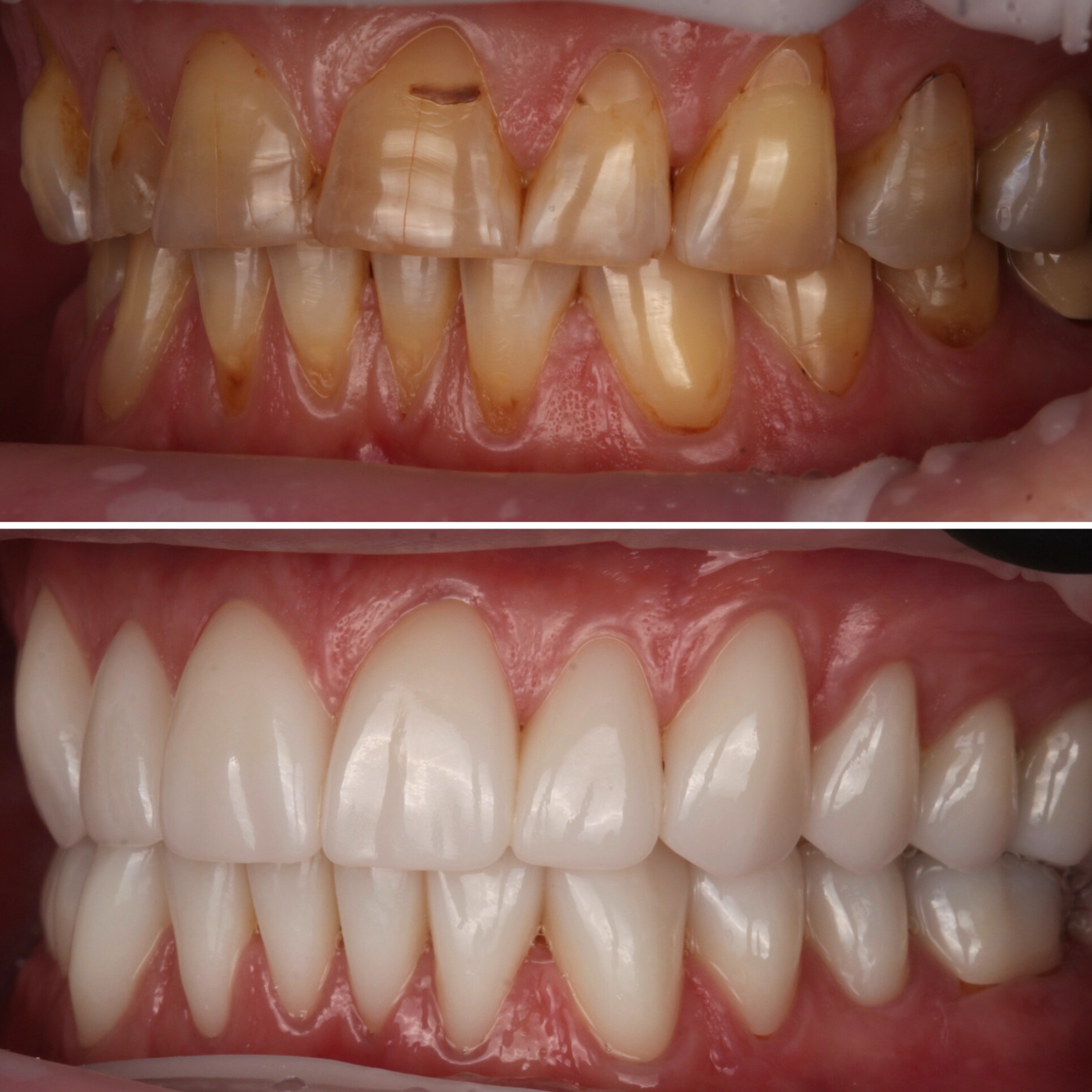
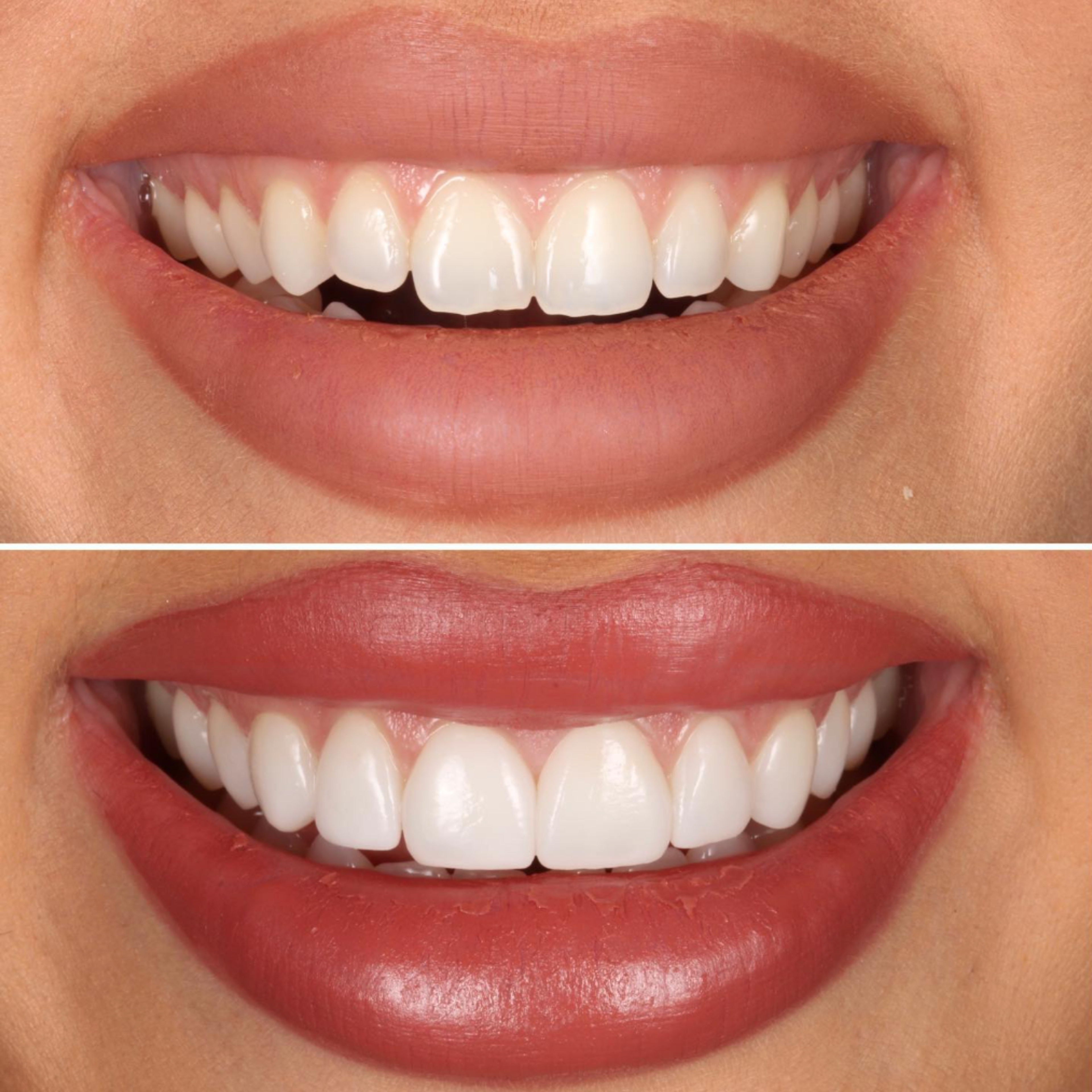
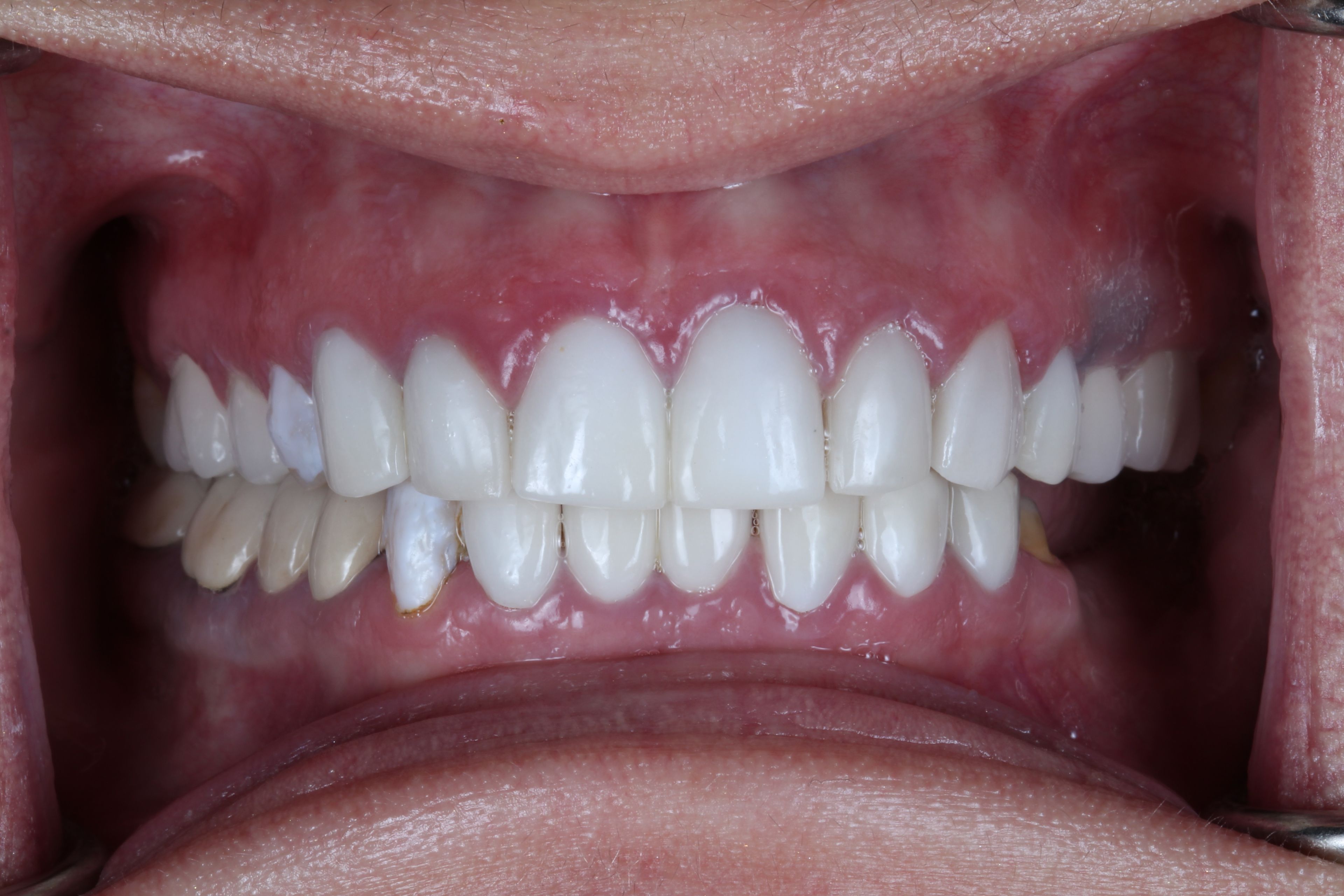
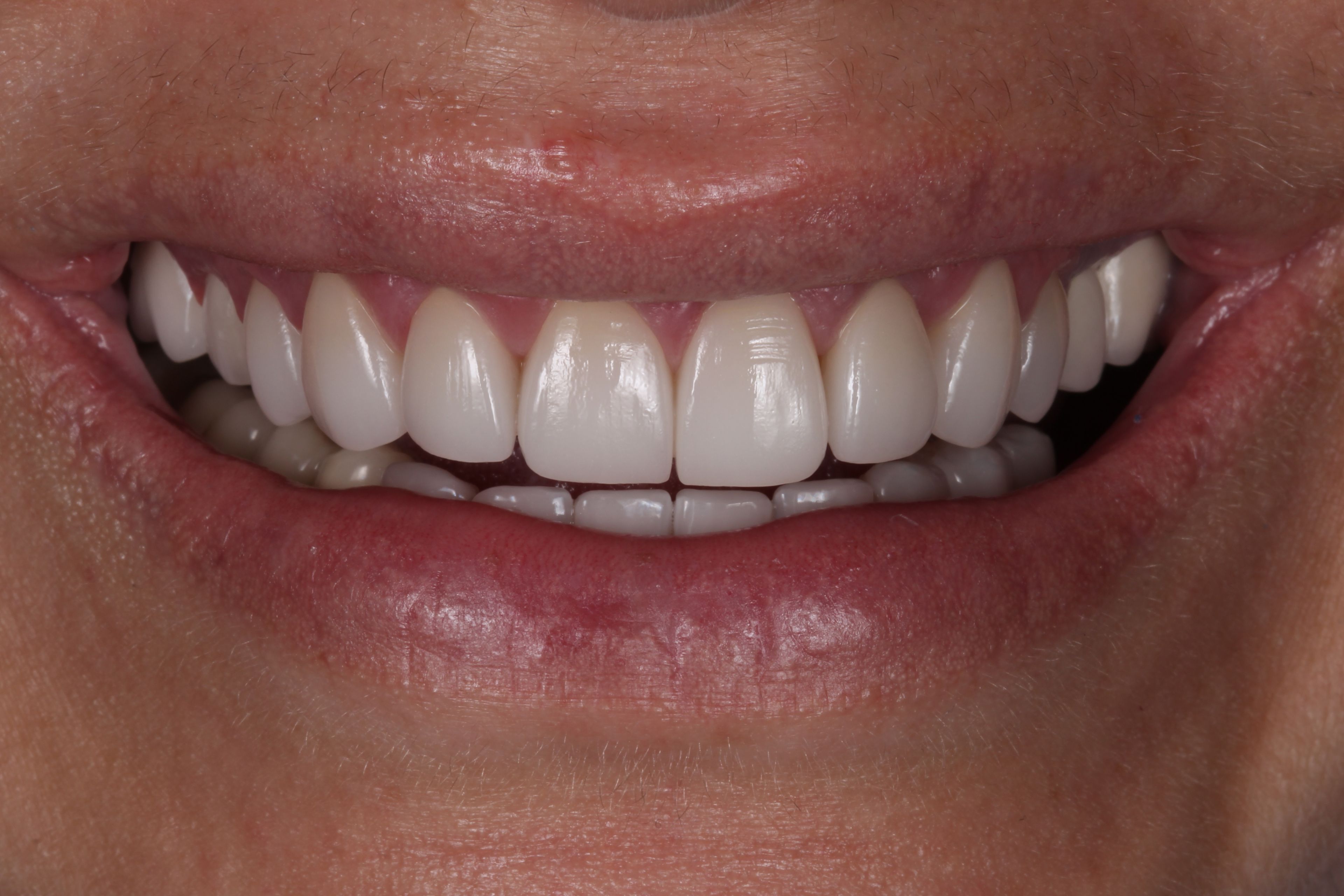
Veneers that fail early. I had a patient who had ten upper and ten lower veneers placed abroad, and within months they were popping off and breaking. She did what most people do at first: she had them repaired, rebonded, re-cemented and patched up, until eventually she came to see us. There was no predictable way to keep patching them. The only way to fix it properly was to redo all twenty. When veneers fail this early, it comes down to the quality of the material, the quality of the preparation, and the technique used to bond them.
Veneers that disappoint. Some patients return simply unhappy with how the work looks. The veneers stain too quickly, or they look artificial. Part of that is material choice. Part of it is over-preparation, where so much tooth structure was removed that the ceramic has to compensate. If you have read our minimal-prep guide, this is where the term "Turkey teeth" comes from: healthy teeth reduced to pegs to make room for restorations.
Gum problems. This is the one patients don't expect. The work can look good at first, but if the margins do not fit precisely, the gums react. A month or two later the gum line is puffy, tender, and bleeds with brushing, and it never settles down. Chronic inflammation around ill-fitting restorations does not resolve on its own, and no amount of cleaning fixes it. The restorations have to be redone so that they fit.
A veneer redo
What we see with full-arch implants
The hardest cases are the full-arch ones, where patients had All-on-4-style treatment abroad.
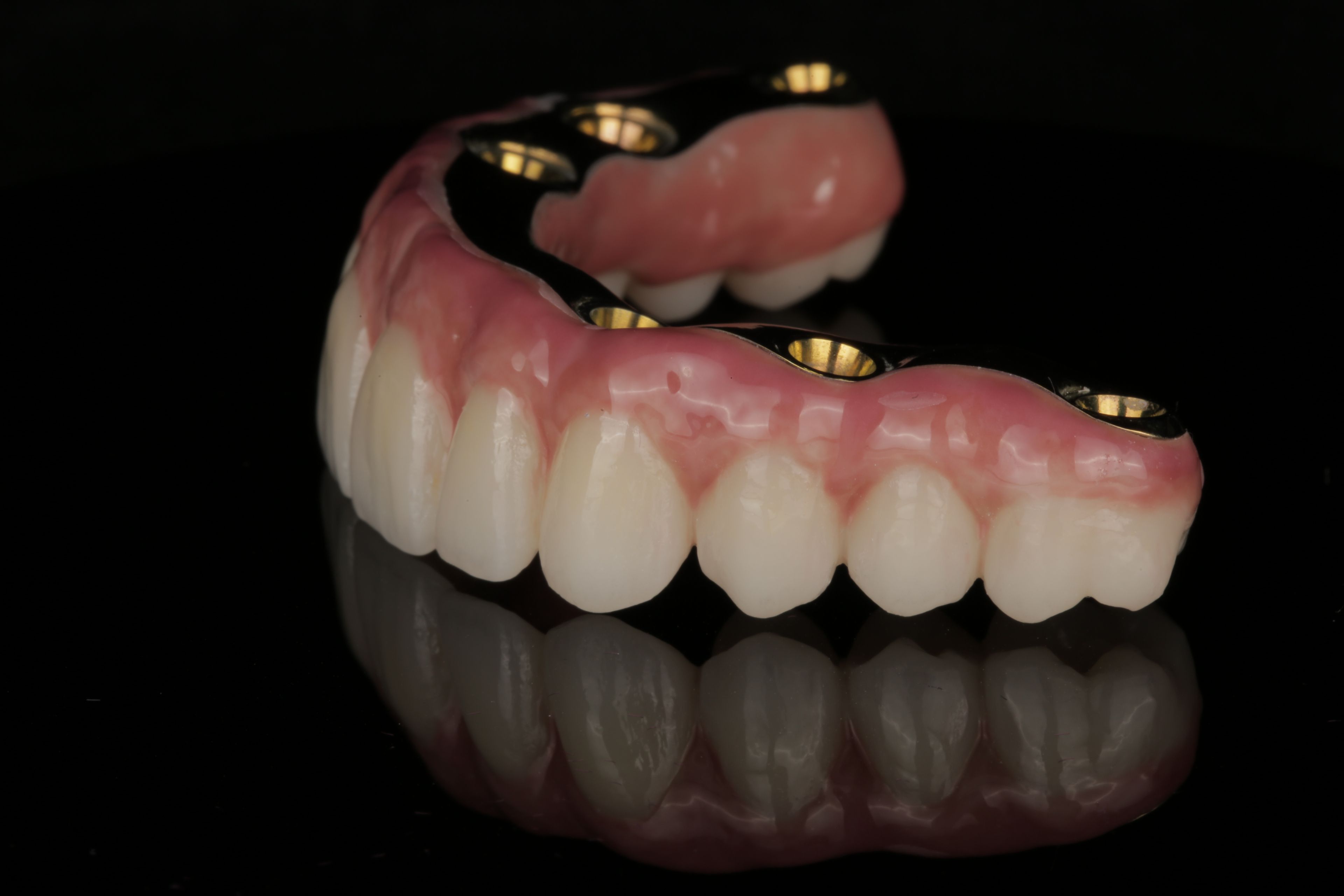
Full-arch treatment is a system. The implants and the prosthesis have to work together precisely. When the prosthesis does not fit well, it puts stress on the implants underneath, and implants that might otherwise have been fine begin to fail. In other cases, the implants were placed in positions that cannot be restored properly no matter what is built on top of them.
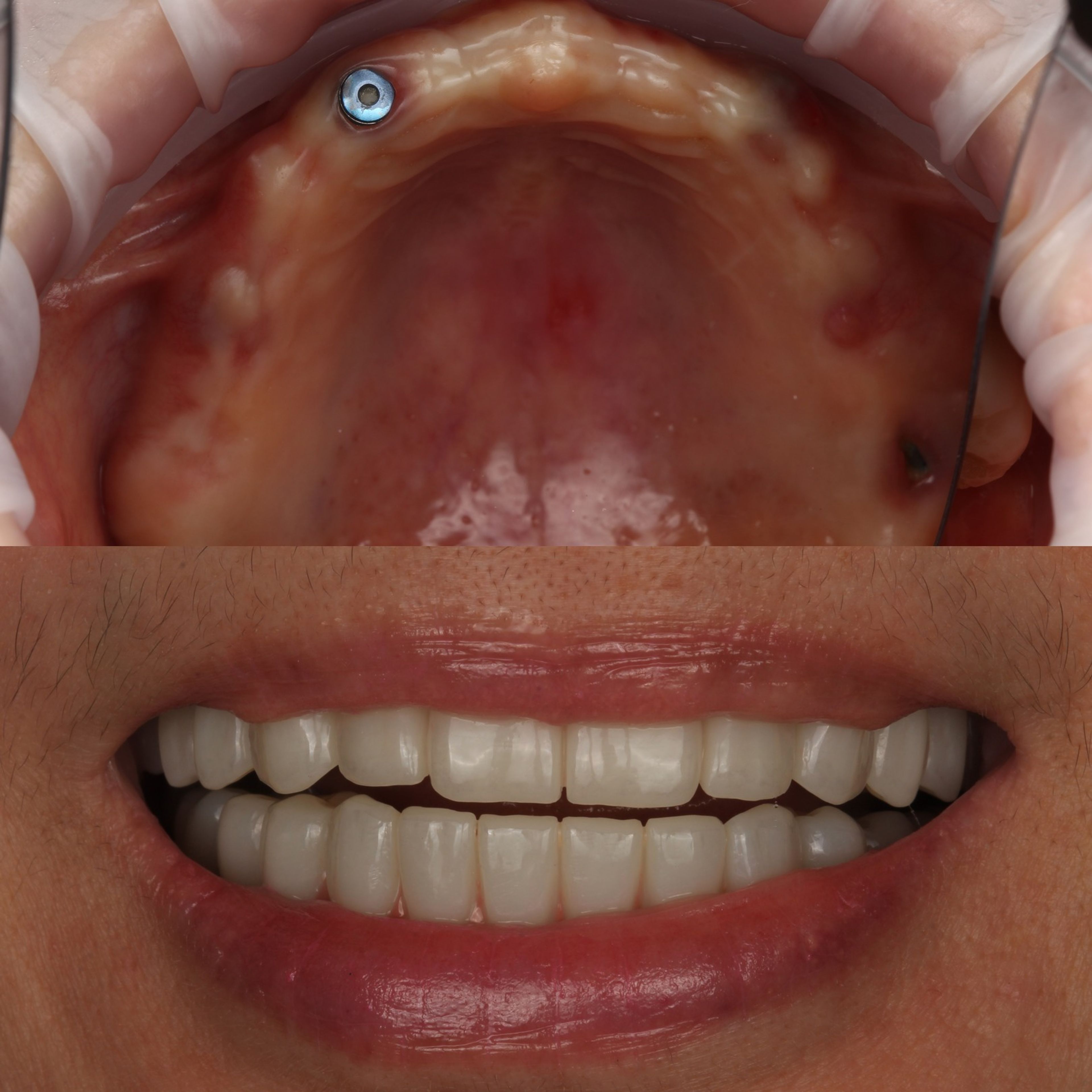
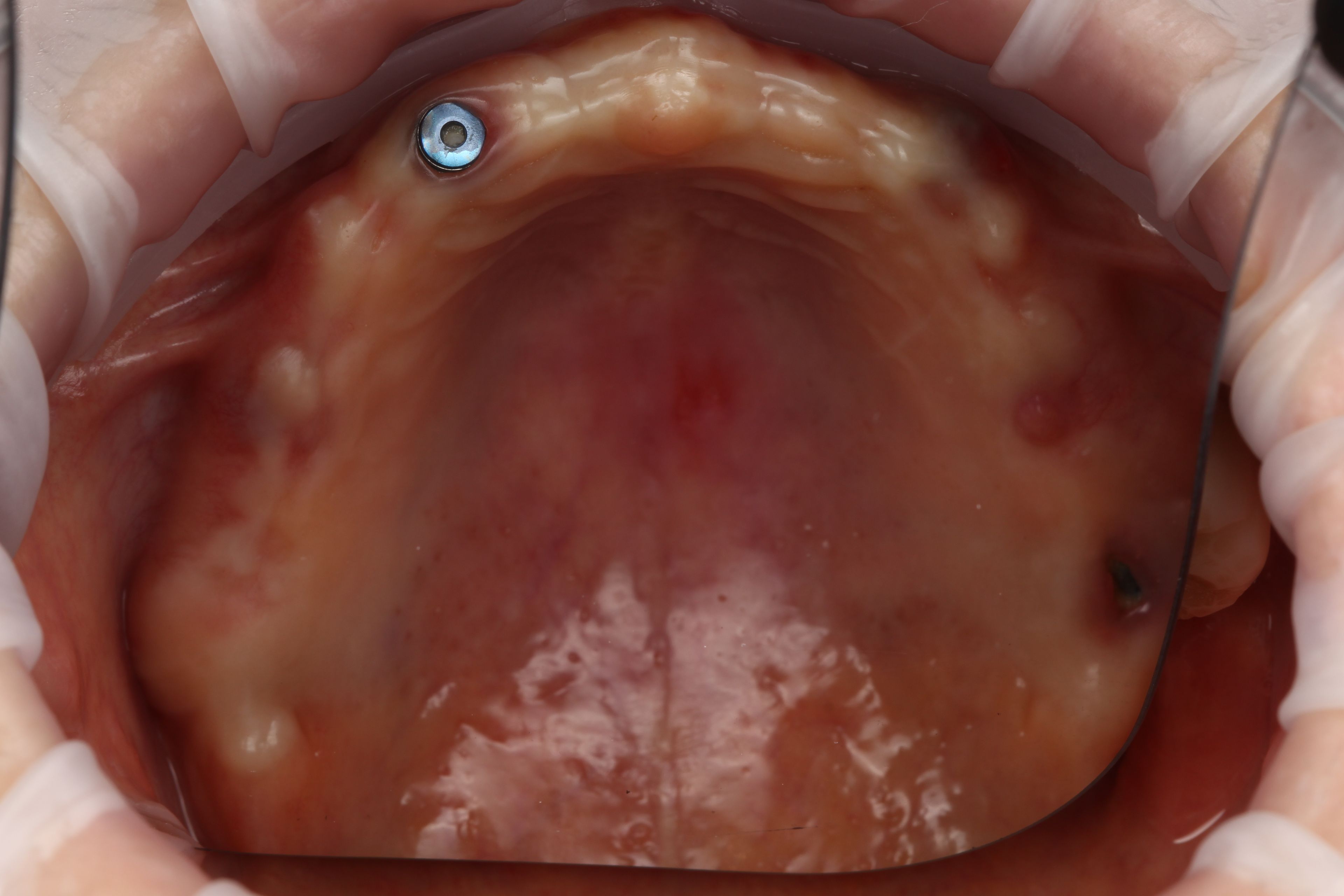
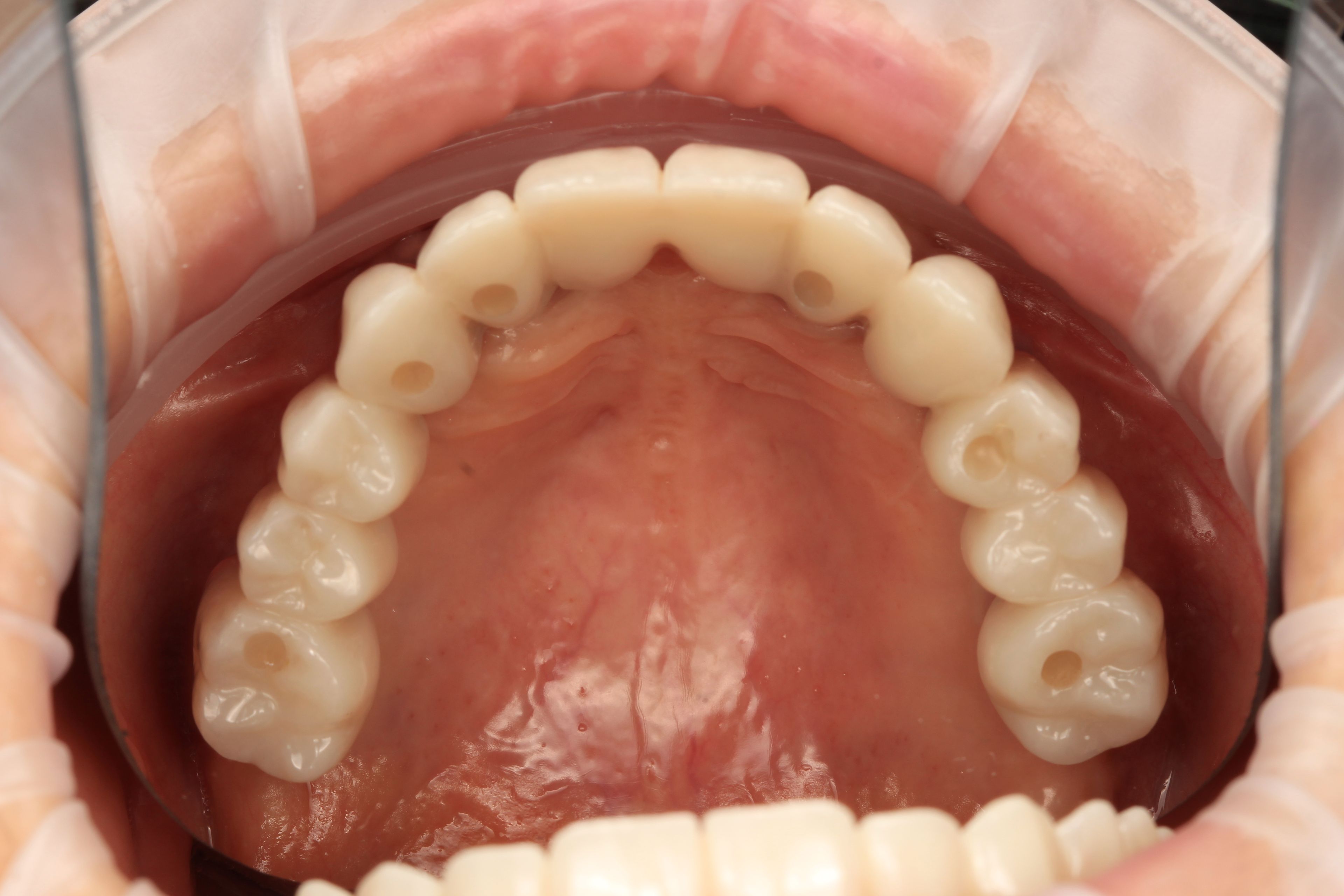
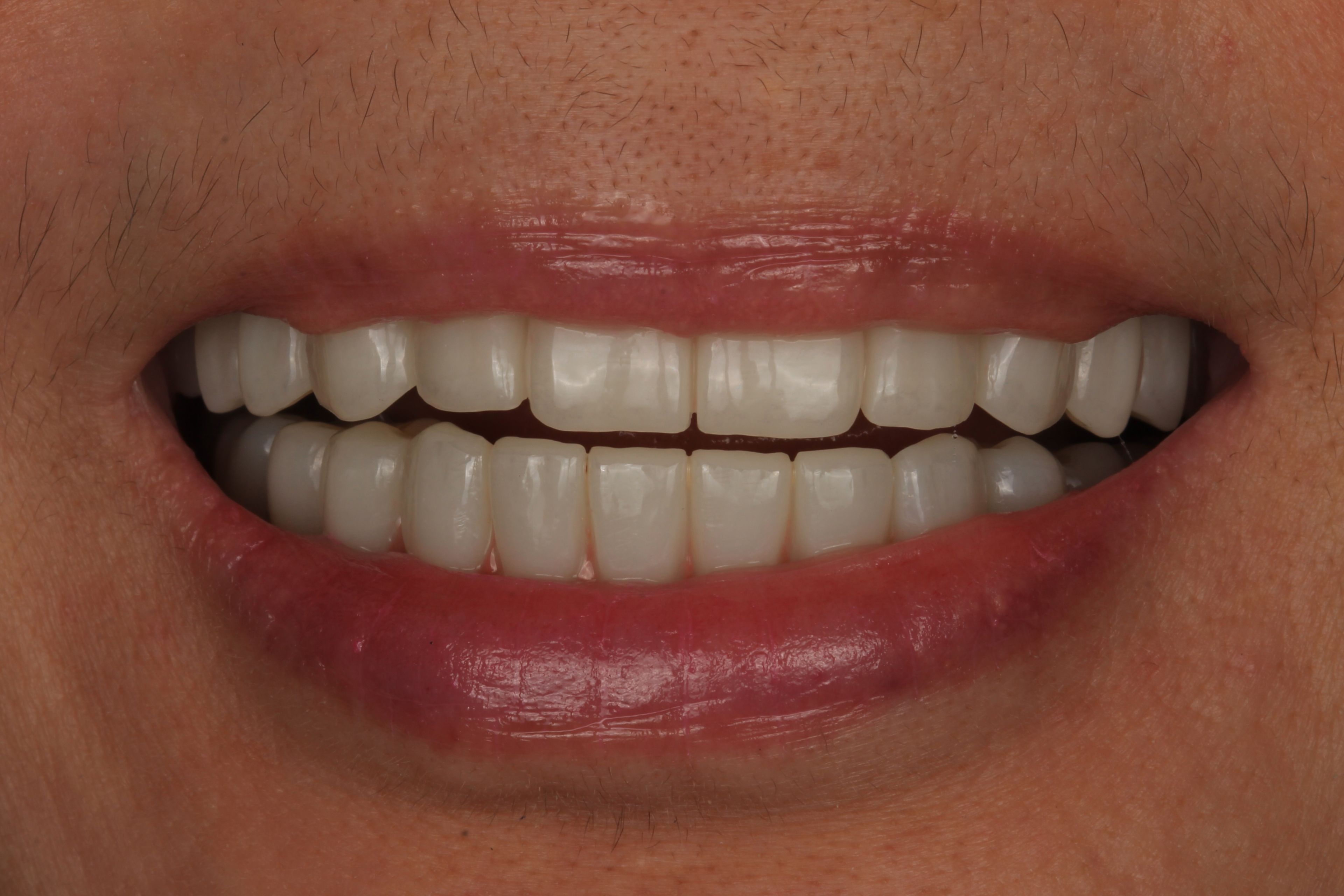
What the correction involves depends on what we find. One of our patients had All-on-4 treatment done in Turkey, upper and lower. On the lower arch, the implants were stable and we could keep them. The prosthesis was the problem, so we remade it on the existing foundation. On the upper arch, nothing could be saved. Every implant had to come out, new implants had to be placed, and only then could we make her new teeth.
A full-arch redo
The real cost
This is the part that makes these cases genuinely sad. Patients go abroad to save money. When the work fails, they have paid once already, and now they are paying again to fix it. The correction is usually more complicated than the original treatment would have been, because the old work has to come off, compromised tissue has to be managed, and there is less healthy structure left to work with.
Many of these patients end up spending more in total than if the treatment had been done properly the first time. And that is before counting the additional months of appointments and the toll of going through everything twice.
What I would check before committing to treatment, anywhere
None of this means that all work done abroad is bad. There is excellent dentistry in other countries, and I also see complications and poor treatment from right here at home. What matters, wherever you choose to be treated, is doing the right due diligence:
- The experience. Has the clinic handled many cases like yours, and can they show you results that have held up over years rather than photos taken the day the work was finished?
- The materials. Which ceramics, which implant system, which lab? You deserve to know exactly what is going into your mouth and why it was chosen.
- The techniques. What does the plan involve? How much tooth structure will be removed? Will the bite be tested before anything is finalized? Is there a proper temporary phase?
- Complications. If something needs attention down the road, how will it be managed, where, and at what cost?
- The follow-up. Who looks after the work in the years ahead, especially if the clinic that placed it is a long flight away?
Clear, specific answers to these five questions tell you more than any price list.
If you're living with work that isn't right
If you have had treatment abroad and something feels off, pay attention to problems that do not settle: gums that stay inflamed or bleed months later, restorations that loosen or chip, staining that appears years too early, a bite that never feels comfortable.
Be careful with the patch cycle. Repairing and re-cementing failing work buys time, but the underlying problem does not go away. At some point, a proper assessment is worth more than another repair.
Sometimes that assessment ends with us recommending you leave the work alone, and any clinician you trust should be willing to tell you that. When a redo is the right decision, it is a process we have refined over many years, and we have written about it in detail in Redoing Dental Work, including how existing work is removed without sacrificing more of your natural teeth.
If you are living with the result of a trip that did not end the way it was supposed to, come talk to us. We will tell you honestly whether anything needs fixing at all, and exactly what it would take if it does.