Smile Contouring
Gummy Smile Treatment
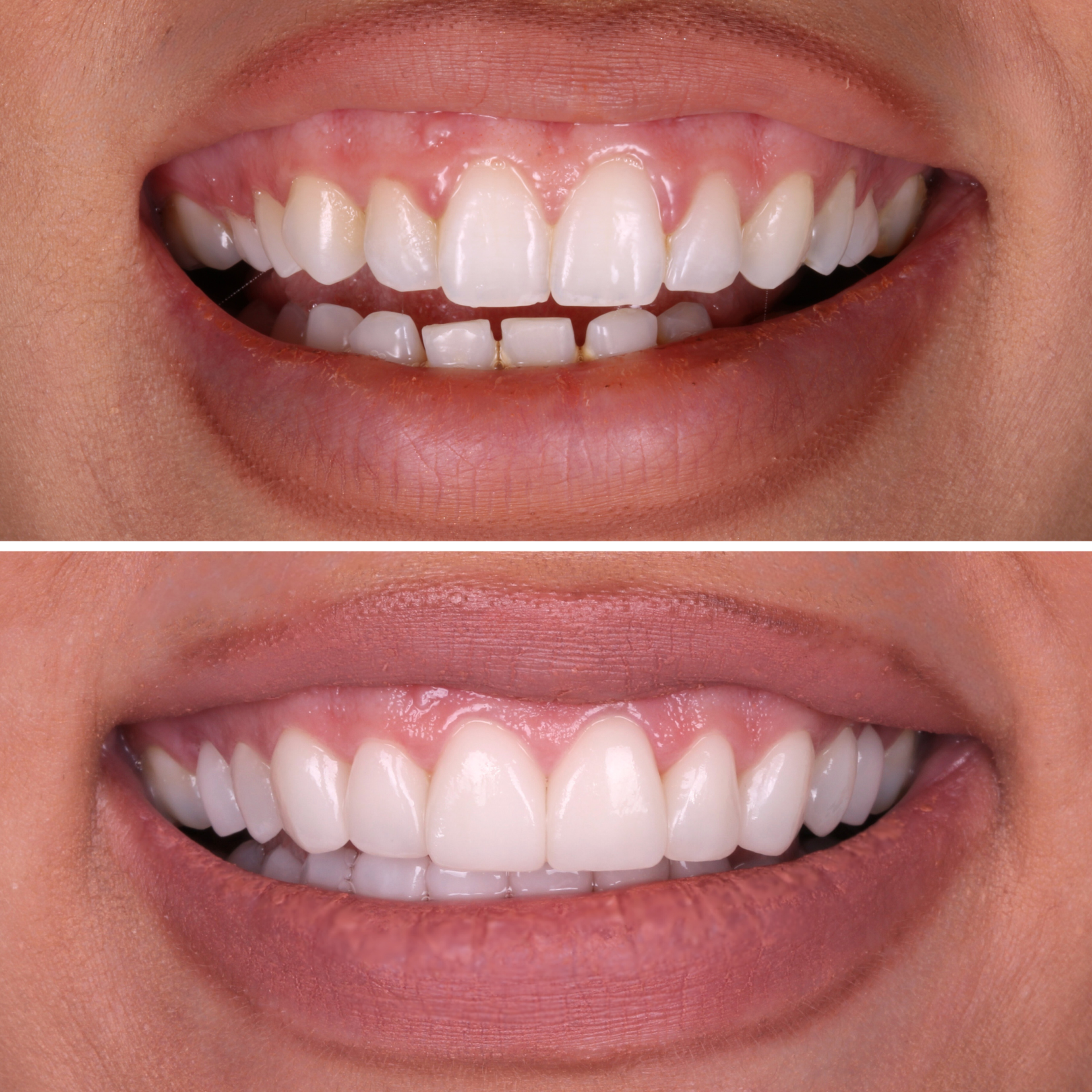
If you feel like too much gum shows when you smile, making your teeth look small or your smile feel incomplete, it can be corrected. Our periodontist reshapes the balance between your teeth and gums so your smile looks the way you want it to.

Understanding It
What Causes a Gummy Smile
A gummy smile can be caused by several things: excess gum tissue covering more of the tooth than it should, teeth that haven't fully emerged through the gum, the position of the jawbone, or how much your upper lip moves when you smile. Often it's a combination.
The cause matters because it determines the treatment. If there's excess bone holding the gum too low, we need to address the bone, not just the tissue. If it's purely a soft tissue issue, a simpler approach may be all that's needed. Our periodontist evaluates exactly what's going on before recommending an approach.
Treatment
How We Correct It
Crown Lengthening
When the bone is positioned too high, it holds the gum tissue over the teeth. Crown lengthening reshapes both the bone and gum tissue to permanently change where the gum line sits, revealing more tooth and creating proportions that stay that way.
Gingivectomy
Removes excess soft tissue to reveal more of the tooth. This can be done with a traditional surgical approach or with a laser for a more comfortable experience and faster healing. Appropriate when the bone position is already correct.
Laser Gum Recontouring
For patients who need subtle reshaping rather than significant tissue removal, laser recontouring refines the shape and symmetry of the gum line. It's a gentle approach to creating more ideal gum contours around the teeth, often with minimal downtime.
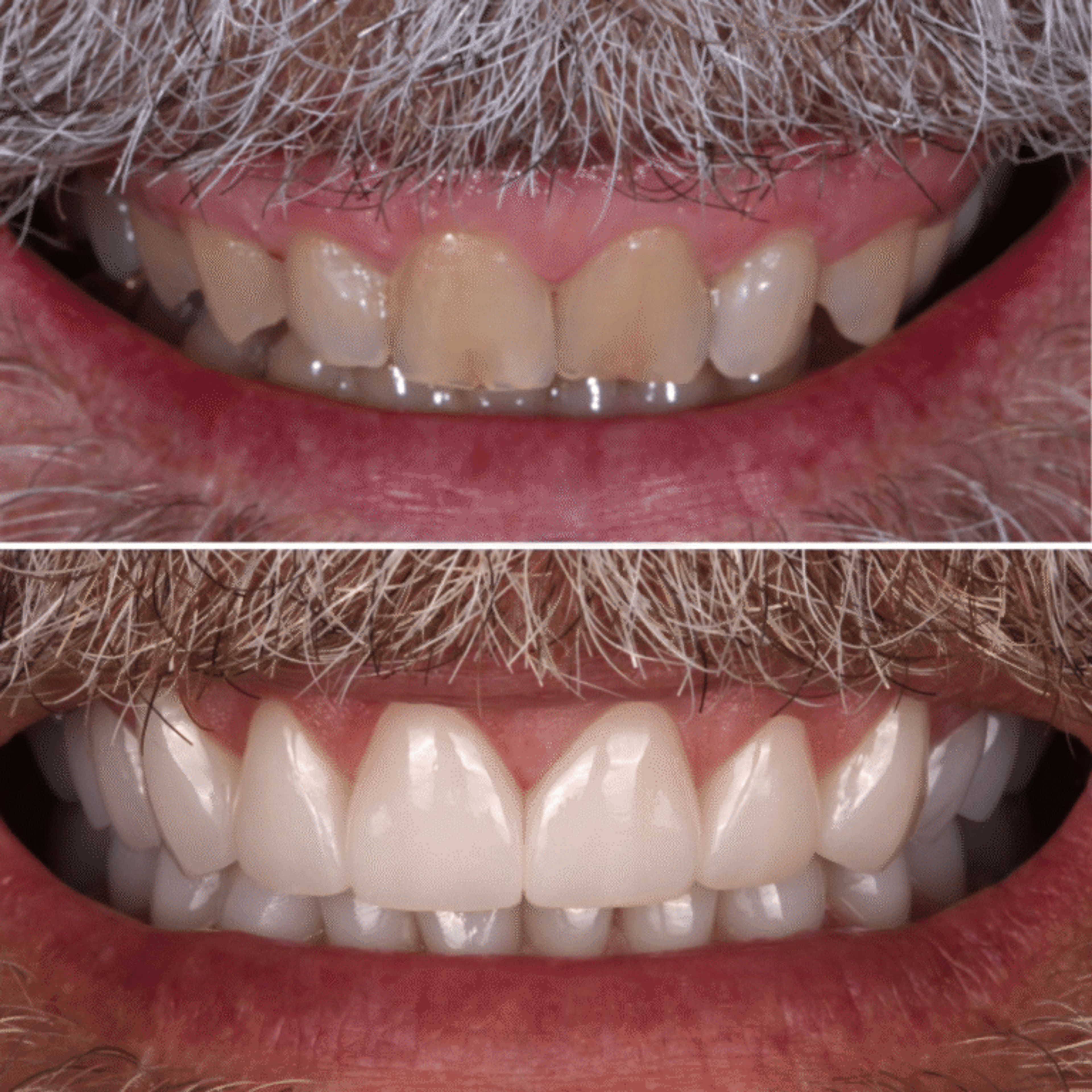
Many patients combine gum contouring with porcelain veneers for a complete smile transformation. When our periodontist and prosthodontist plan both together, the gum line and the teeth are designed as one cohesive result, not separately.
Common Questions
Good to Know
Is gummy smile treatment painful?
The procedure is done under local anesthesia, so you'll be comfortable throughout. Afterward, most patients experience mild soreness for a few days, manageable with medication. Most return to normal activities within a day or two.
How long until I see the final result?
You'll see an immediate difference. The gum tissue continues to heal and settle over 4 to 8 weeks. If crown lengthening is involved, the full result takes a bit longer as the bone heals and the tissue matures into its final position.
Will my gums grow back?
Crown lengthening reshapes the bone that determines where the gum sits, so the result is permanent. A gingivectomy alone can occasionally see minor tissue regrowth, which is why our periodontist carefully assesses which approach is right for a lasting correction.
Can this be combined with veneers?
Often it should be. Gum contouring creates the ideal frame, and veneers complete the picture. When both are planned together, the result is more balanced and beautiful than either procedure alone.
Is this just cosmetic?
Primarily, yes, and there's nothing wrong with that. How freely you smile affects your confidence and how you present yourself. For many patients, this treatment is genuinely life-changing in how comfortable they feel.
How do I know if I'm a candidate?
If you feel that too much gum shows when you smile, you're likely a candidate. During your consultation, our periodontist will evaluate what's causing the gummy appearance and whether crown lengthening, gingivectomy, or a combination is the right approach.
Smile Without Thinking Twice
It starts with understanding what's possible for your smile.
Explore Related Services